Slowed down by legacy processes and technology, high implementation costs, lack of a strong business case, and the limited adoption of overlay services, the adoption of instant payments in Europe has been slow.
Instant payments have been available for half a decade, yet cards are still the defacto payment method in retail, much to the annoyance of European regulators, who have indicated a strong preference for homegrown solutions.
But this is all about to change. The European Commission has proposed new regulations that aim to make instant payments secure, cheap, and – above all – ubiquitous throughout the Single Euro Payments Area (SEPA) region.
A political compromise with the European Council and Parliament was reached in November 2023, mandating that banks send and receive instant payments before the end of 2025. The regulation entered into effect in April 2024.
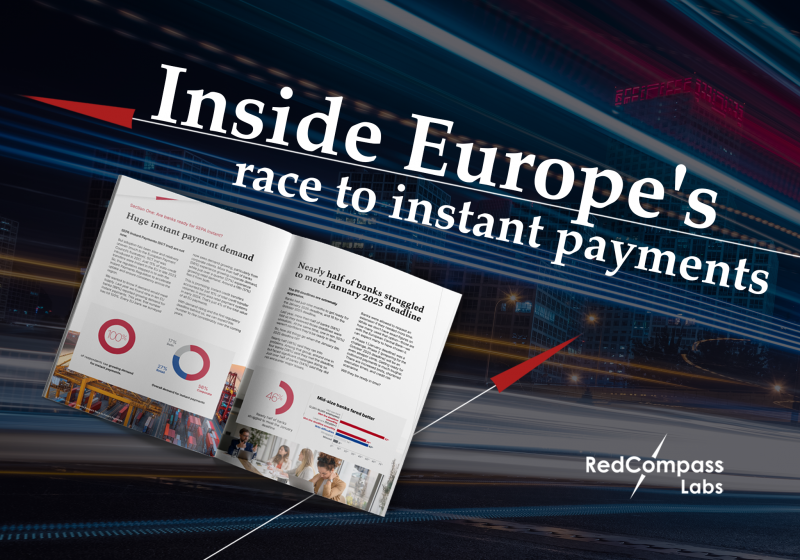
Though great news for European consumers and businesses, the new rules pose several challenges for payment service providers (PSPs), including those that are already capable of processing instant payments today and those that need rapid payment modernisation. In this whitepaper, we outline the context, challenges and opportunities for payment service providers in Europe and beyond.
You’ll learn how to:
- navigate the 10-second rule
- scale your instant payment processing, and;
- deal with bulk payment files.