Visiting India is always a joy – especially when it’s been two years since my last trip and I’m on my way to attend a wedding.
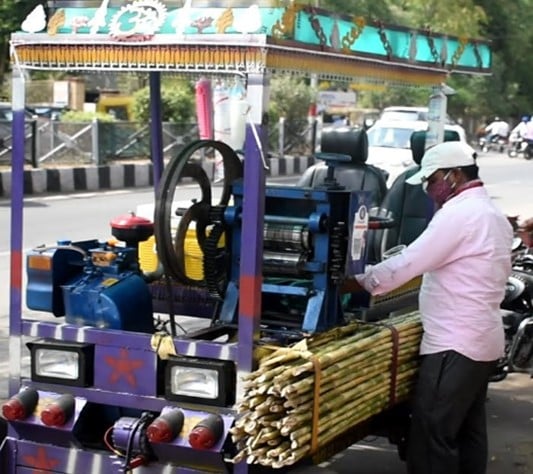
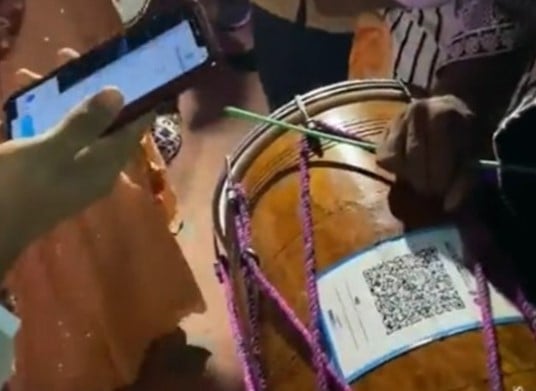
This time, I discovered a new digital era was in full swing. All kinds of emotions surfaced – shock, pride, happiness – after finding out that digital transactions covered even the tiniest amounts, from 15 Rupees for a glass of sugarcane juice at a roadside stall, to tipping Dhol drummers at the wedding via a QR code. And, more importantly, these payments happened instantly.
How this system benefits all kinds of users was exemplified when I saw an old lady, who didn’t have perfect eyesight and couldn’t read English, receive an audio message in her local language. A Siri-like voice made a declaration after the payment was made. That, for me, is a perfect example of financial inclusion. It has totally enhanced the user experience, helping to increase digital payments adoption, particularly among those who are less familiar with digital interfaces, have accessibility issues or have limited access to digital devices.
So, I can call myself a proud participant of India’s payments revolution. But how has this become easier in only the last few years?
India is one of the fastest-growing economies in the world, but a significant portion of its population still doesn’t have access to basic banking services. However, with the advent of instant payments, financial inclusion has become a reality for millions of people in India.
Instant payments have aided the cause of financial inclusion in recent years, which has been a major, longstanding challenge for the country. When small or micro companies, or local vendors who don’t exist in the financial system, receive money digitally through a unified payments interface (UPI) or card, then they can become eligible for all sorts of financial services, like banking, loans and Insurance.
Government Initiatives, digital Infrastructure investments, such as Aadhaar biometric identifications, mobile-based financial services such as wallets and payment apps, and financial technology innovations have contributed to the growth of instant payment and financial inclusion in India.
To see how much instant payments have already taken off in India, and the sheer scale of the market, just look at the data.
- The government says about 99% of adults now have a biometric identification number, with more than 1.3 billion issued in all. The creation of bank accounts is made easier by the use of id’s and are the foundation of the instant payment system, known as the Unified Payments Interface.
- In January, about 8 billion transactions worth nearly $200 billion were carried through UPI, with more than 2.4 billion transactions in February 2022 alone.
- Over 200 banks in India have integrated UPIs with their payment systems.
- The value of instant digital transactions in India last year was far more than in the US, the UK, Germany and France. “Combine the four and multiply by four — it is more than that,” as one Indian cabinet minister, Ashwini Vaishnav, told the World Economic Forum in January.
If the UPI Instant Payment system from India spreads to Asia, the US and Europe, it will have a significant impact on the global payment landscape, accelerate the adoption of digital payments and improve cross-border payments, as it could facilitate faster and cheaper cross-border payments with less reliance on expensive and slow transfers. Most importantly, it will bring greater financial inclusion by providing low-cost instant payments to those without access to traditional banking services.